Planning a Caravan & 4x4 Setup: What Needs to Work Together?
- Adventure Guide
- 8 min read
- 19 sections
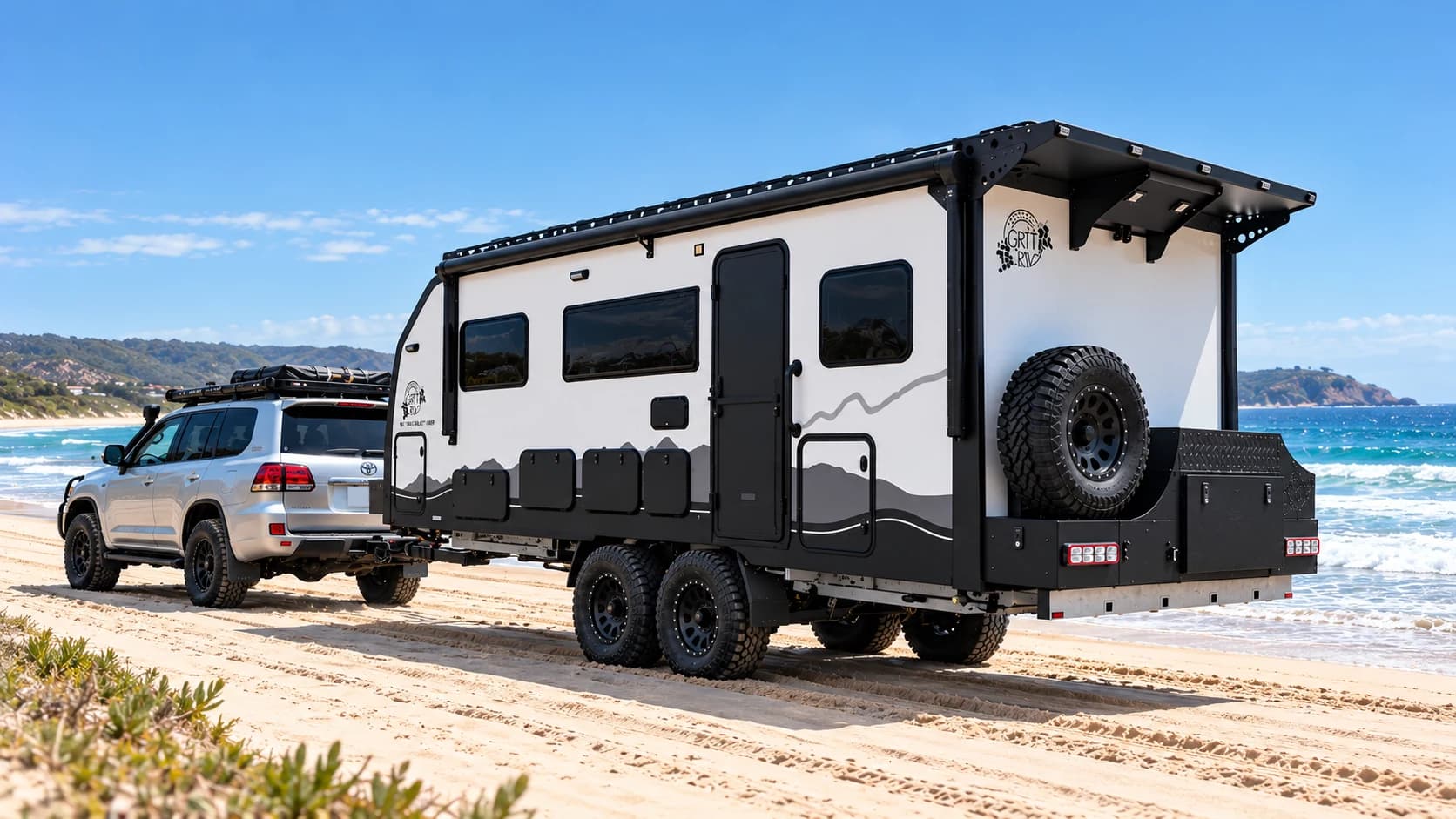
Choosing the caravan and planning the 4x4 are closely connected decisions.
The caravan has its own ratings and loading limits. The 4x4 also has limits around its loaded mass, axle loads, towing and the complete 4x4-and-caravan combination.
The most practical approach is to think about the 4x4, caravan and everything carried in both as one touring system.
Quick Takeaway
Do not choose the caravan and build the 4x4 in isolation.
Start with the trips you want to take, then consider the real loaded 4x4, the real loaded caravan, passengers, luggage, tow-ball load, water, batteries and touring equipment together.
Towing capacity is only one number. Payload, GVM, GCM, axle loads, caravan ratings and everyday usability can all matter.
Start With the Adventure
Local Weekend Adventurer
Shorter trips can mean less water, food and equipment, but the setup still needs to be easy to tow, easy to load and quick to use once you arrive.
Family Getaway Explorer
Passengers, food, clothing, bikes, camping equipment and the creature comforts that make school-holiday travel easier can add weight to both the 4x4 and caravan.
Long-Term Traveller
Extended travel can add more water, power, tools, spares, communications equipment and everyday living gear.
The 4x4 and caravan need to work comfortably together across repeated travel days and longer stays.
Understand the Main Weight Terms
| Term | Plain-English Meaning |
|---|---|
| GVM - Gross Vehicle Mass | The permitted loaded mass of the 4x4. Passengers, fuel, accessories, luggage and load transferred through the caravan coupling can all contribute. |
| GCM - Gross Combination Mass | A mass limit relating to the 4x4 and trailer combination. |
| ATM - Aggregate Trailer Mass | A trailer mass rating used when considering the caravan in its loaded condition. |
| GTM - Gross Trailer Mass | A trailer mass measure relating to the mass carried by the caravan's wheels when coupled. |
| Tow-Ball Load | Part of the caravan load transferred onto the 4x4 through the coupling. |
These definitions and their legal application need to be confirmed against current manufacturer, registration and jurisdictional requirements for the individual setup.
 Related GuideGVM vs GCM
Do Not Start With Towing Capacity Alone
The advertised towing figure is only one part of the towing picture.
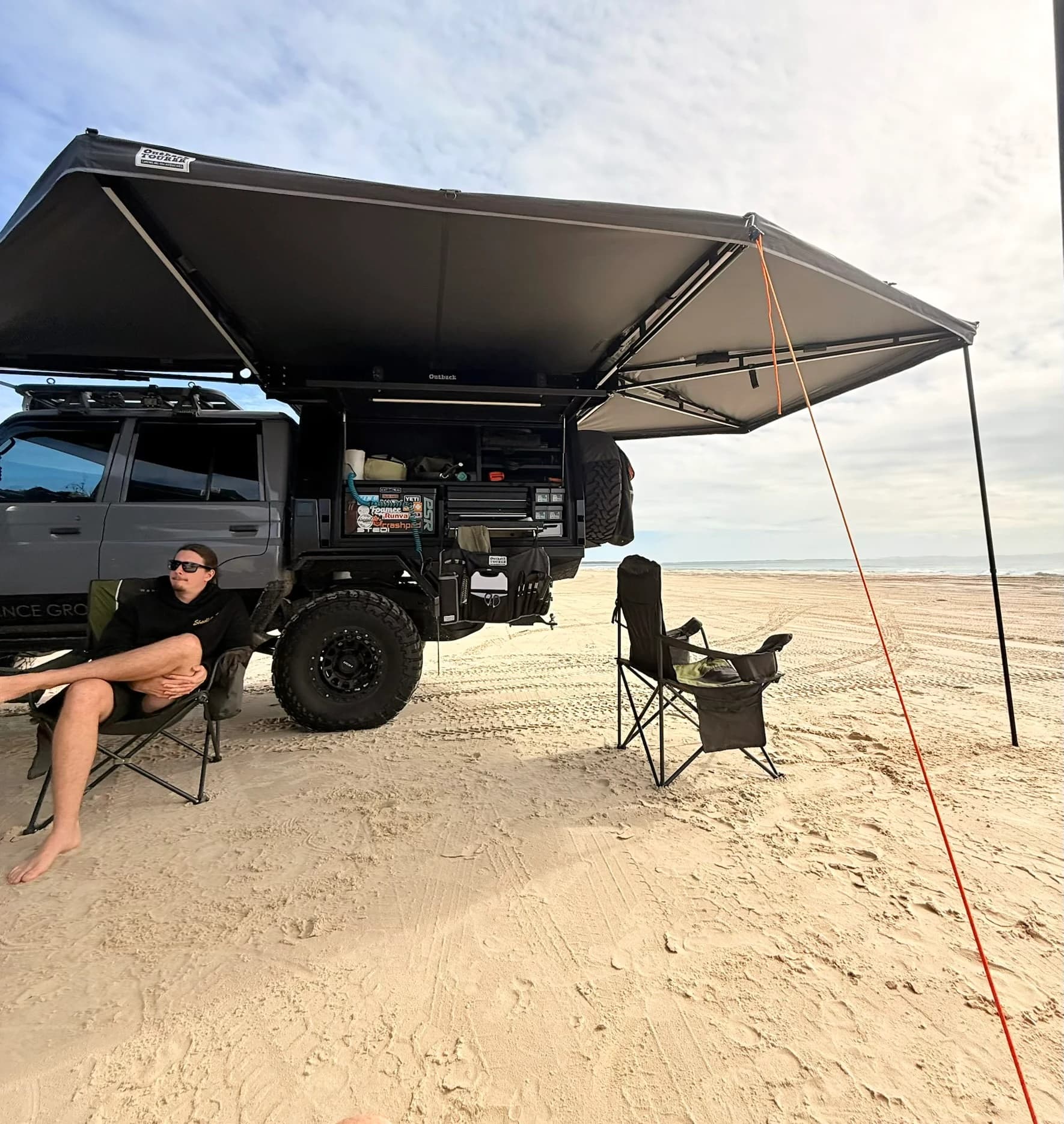
The 4x4 may also need to carry:
- passengers
- fuel
- bullbar and winch
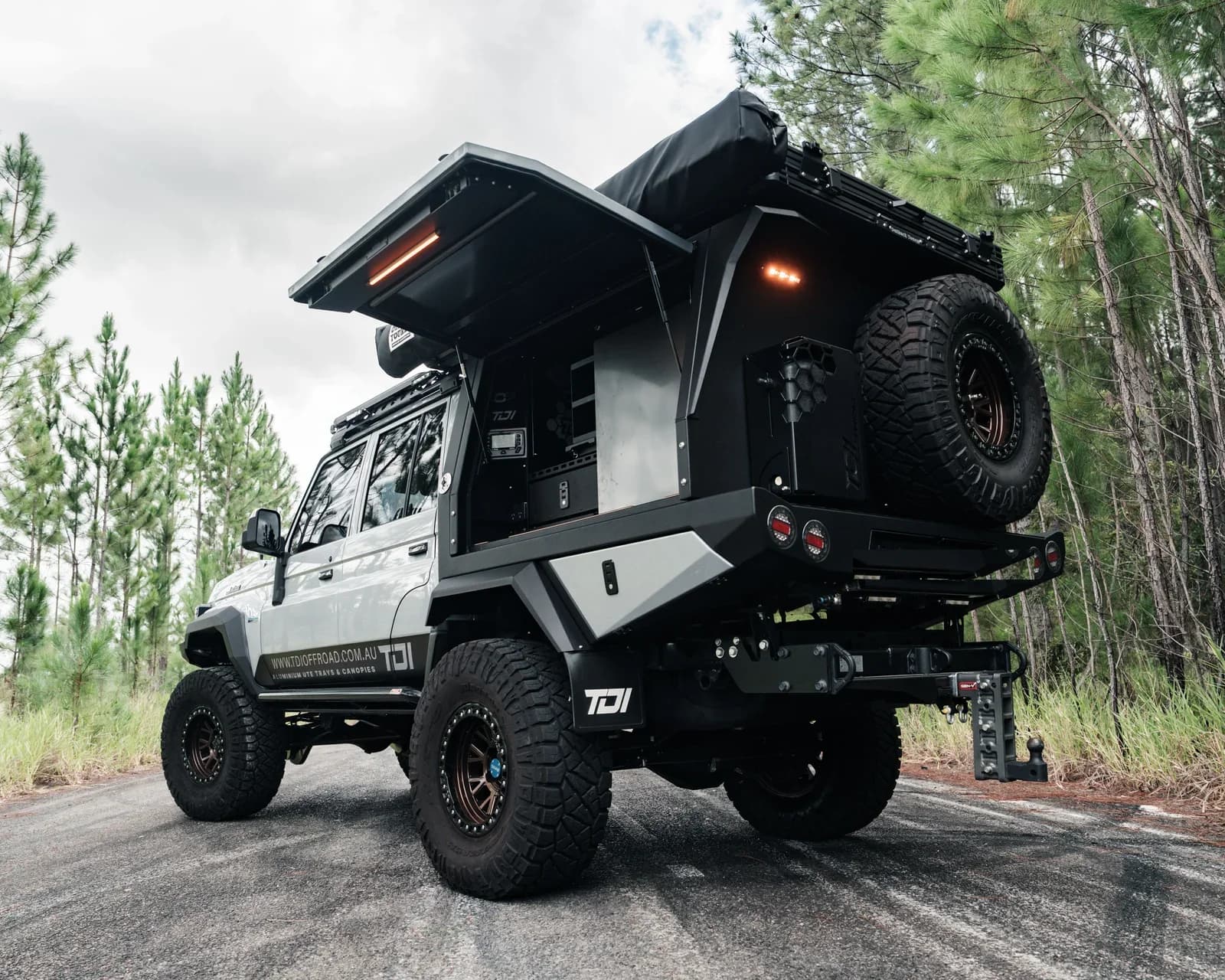
- tray and canopy
- batteries and electrical equipment
- water
- fridge and food
- luggage
- tools and recovery gear
- roof-mounted equipment
- the caravan's tow-ball load
A 4x4 that looks suitable when only the caravan's headline weight is considered can require a much closer look once the real travel load is added.
Payload Can Be the Quiet Constraint
Payload is the amount of carrying capacity available within the 4x4's permitted GVM.
Touring accessories can use that capacity before passengers, luggage and the caravan are added.
This is why the complete 4x4 build and the caravan need to be considered together.
Think About the Caravan as It Will Actually Travel
A caravan in a showroom is not the same as the caravan packed for a real trip.
Travel load can include:
- fresh water
- food
- clothing
- bedding
- chairs and tables
- batteries and electrical equipment
- solar equipment
- gas bottles where fitted
- tools and spares
- outdoor equipment
- bikes or other recreational equipment
- personal belongings
The relevant trailer ratings still apply in the loaded travelling configuration, and the way weight is distributed can affect the complete setup.
Tow-Ball Load Connects the 4x4 and Caravan
Tow-ball load is one of the key reasons the 4x4 and caravan cannot be planned independently.
Part of the caravan's load is transferred onto the 4x4 through the coupling.
That contributes to what the 4x4 is carrying and can affect rear-axle load and remaining payload.
The actual requirements for the individual combination need to be confirmed using current specifications and appropriate technical guidance.
Axle Loads Matter Too
Staying under the 4x4's GVM does not automatically mean every axle or component is within its relevant limit.
Tray and canopy design, water, batteries, luggage and tow-ball load can change how weight is distributed between the front and rear of the 4x4.
For heavier touring setups, axle-load planning belongs alongside GVM and GCM planning.
GVM Upgrades and Towing
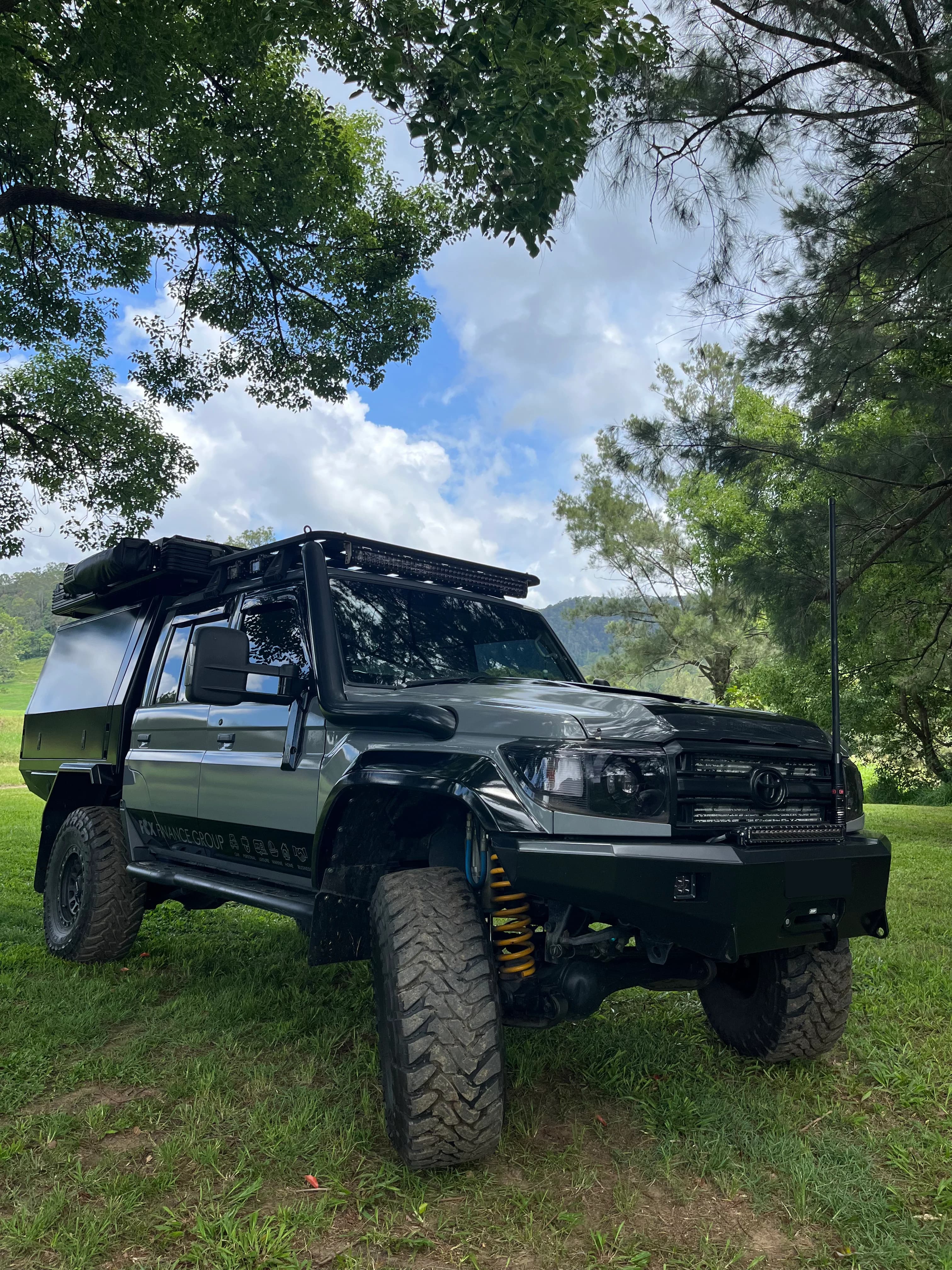
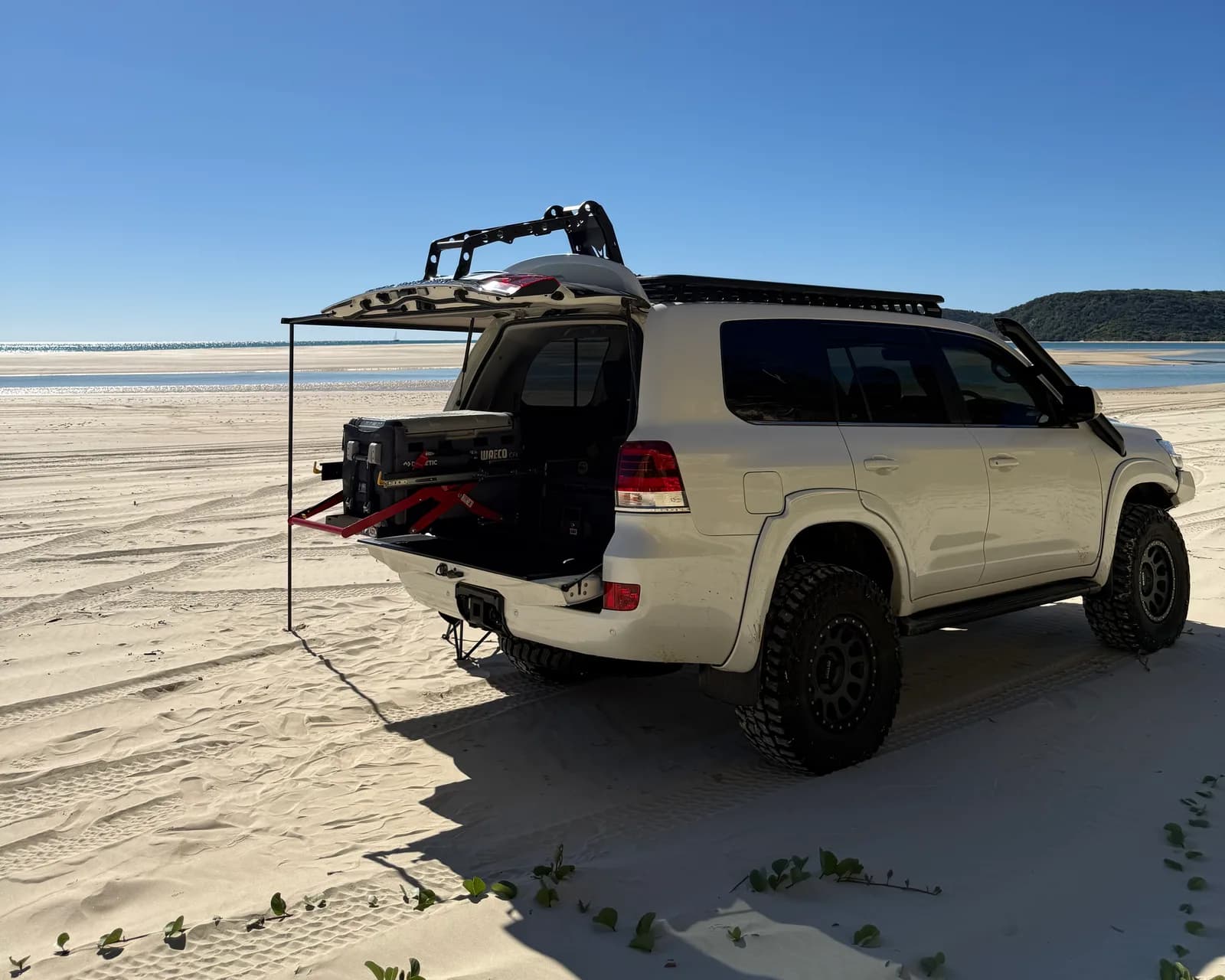
Some travellers explore a GVM upgrade as the 4x4 becomes more heavily equipped.
A GVM upgrade changes one part of the weight framework. It does not automatically increase every other limit that may apply to the 4x4 or towing combination.
 Related GuideGVM Upgrades
If the Caravan Is Chosen First
If you already know the caravan, use it as an input into the 4x4 build.
That can influence decisions around:
- suspension
- GVM-related work where relevant
- tray and canopy design
- battery placement
- water capacity
- spare-wheel location
- towing equipment
- storage
- rear overhang
- tyres and wheel load ratings
A touring 4x4 designed without considering the caravan can end up with less useful payload or less flexibility than expected.
If the 4x4 Is Chosen First
The same principle works in reverse.
If you already own the 4x4 and want to keep it, use its real specifications and expected travel load to narrow the caravan shortlist.
That can help avoid becoming emotionally committed to a caravan before the complete combination has been considered.
Family Travel Adds More Than Passengers
A Family Getaway Explorer can carry much more than the passenger count suggests.
Family trips can add:
- clothing and bedding
- food and drinks
- bikes, scooters or sports equipment
- extra chairs and tables
- toys and entertainment
- larger refrigeration needs
- more water use
- device charging
- wet-weather equipment
Planning for real family travel rather than a lightly loaded display setup gives a more useful picture of the complete touring combination.
Long-Term Touring Changes the Equation
A Long-Term Traveller may carry tools, spares, larger power systems, communications equipment, more food and water, and the everyday items needed to live on the road.
The 4x4 and caravan can both become heavily used storage and living systems.
Weight, access, serviceability, redundancy and comfort matter because the setup is being used continuously rather than only on occasional weekends.
Power and Water Need to Work Across the Combination
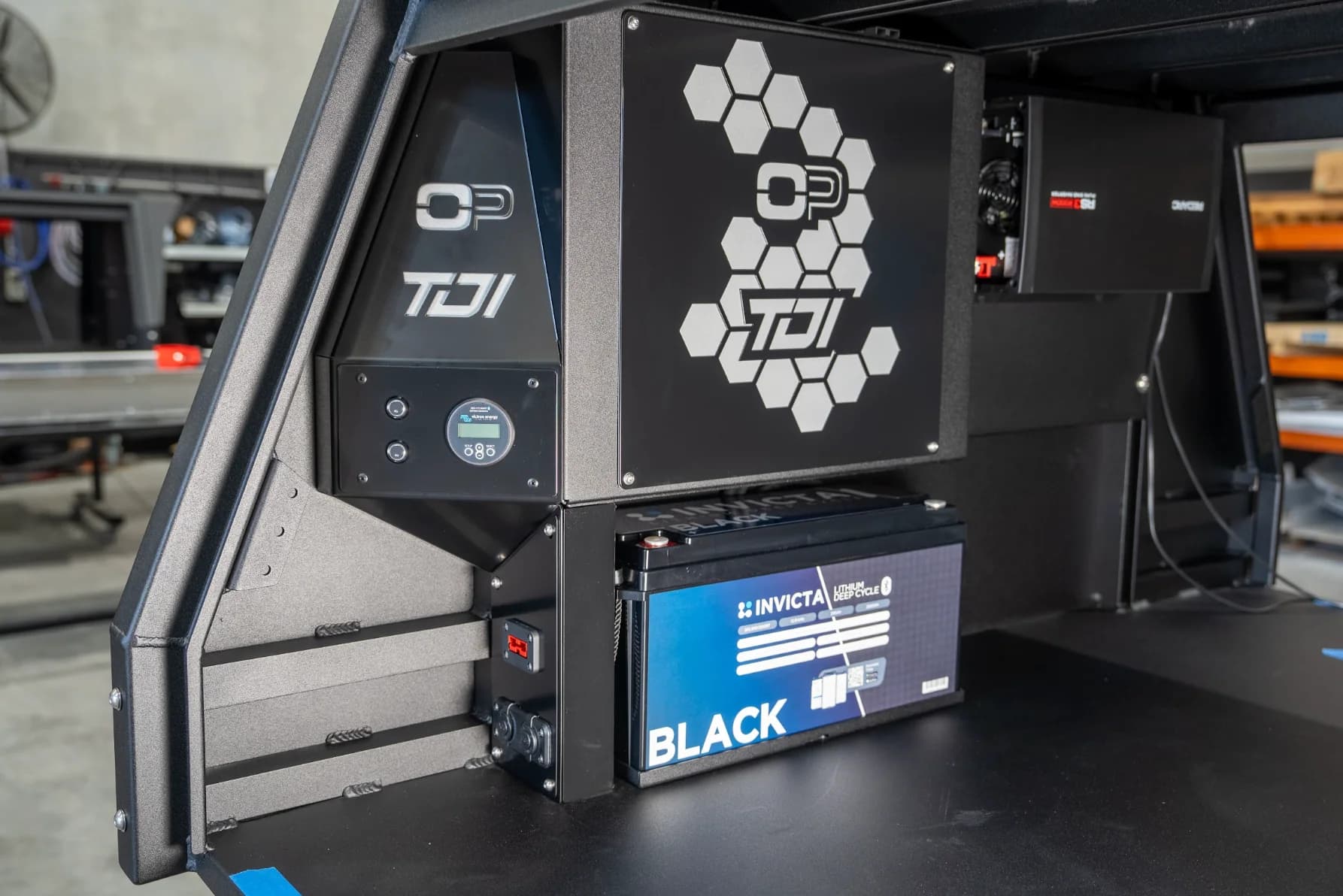
The 4x4 and caravan may each have their own batteries, solar, charging and water systems.
Think about which part of the combination supports which job.
- Where is the main refrigeration located?
- Which battery system charges cameras, phones or laptops?
- How is the caravan charged while travelling?
- How much solar is available when parked?
- How much water is carried in the 4x4 and caravan?
- What remains operational if one system has a problem?
 Related GuideLithium Battery Setup for Touring
Storage and Everyday Access
The best touring combination is not only the one that works on paper. It also needs to be easy to live with.
Think about where everyday equipment lives across the 4x4 and caravan:
- food and refrigeration
- clothing
- chairs and tables
- recovery gear
- tools and spares
- water hoses and electrical leads
- dirty or wet equipment
- cameras and charging gear
The goal is to avoid unloading half the setup every time you need one frequently used item.
Creature Comforts Still Matter
Family and long-term travel can be transformed by ordinary usability.
Consider:
- how quickly the caravan can be set up
- access to food and refrigeration during travel stops
- bathroom access
- sleeping arrangements
- storage
- ventilation
- charging
- water access
- camp lighting
- how much setup is required after a long driving day
A combination that meets the numbers but is frustrating to live with can make the adventure harder than it needs to be.
Use a Loaded-Trip Mindset
When comparing the 4x4 and caravan, picture them ready to leave for a real trip rather than empty.
Include passengers, water, food, luggage, tools, accessories, batteries, recovery gear and the equipment that genuinely travels with you.
Actual loaded weights can be useful once the setup is assembled.
A suitably qualified specialist can explain what needs to be weighed and how the relevant limits apply.
Caravan & 4x4 Planning Checklist
Tick it off as you plan
14 Questions Before Buying the Caravan
What are the caravan's relevant mass ratings?
What does the caravan weigh in the configuration I am actually buying?
What optional equipment is being added?
How much payload is available in the caravan?
What happens to the 4x4 when the caravan is loaded and coupled?
What tow-ball load is expected in the travelling configuration?
What water and battery capacity will I carry?
What will live in the caravan versus the 4x4?
Does my 4x4 already carry significant accessories?
How many passengers and how much luggage normally travel?
Will I add a tray, canopy, GVM-related work or other 4x4 upgrades?
Have I checked GVM, GCM and axle considerations together?
Have I allowed for real loaded travel rather than an empty setup?
Have I spoken with the relevant technical specialists before committing?
Real-World Planning Lesson
The caravan may be the biggest single purchase in the combination, but it is not the only thing being planned.
The 4x4 may also be carrying a tray and canopy, battery system, water, family gear and recovery equipment.
The caravan may carry its own water, batteries, food, clothing and long-term living equipment.
Looking at both together makes it easier to see where the weight, storage and complexity are actually going.
Key Takeaways
- Plan the caravan and 4x4 as one touring system.
- Do not rely on towing capacity alone.
- 4x4 payload can be used quickly by accessories, passengers, luggage and tow-ball load.
- Think about the caravan in its real travelling configuration, not empty.
- GVM, GCM, axle loads and caravan ratings can all be relevant.
- A GVM upgrade does not automatically change every other towing limit.
- Use real manufacturer specifications and qualified technical advice for the final combination.
- Plan power, water, storage and creature comforts across both 4x4 and caravan.
- Think about ordinary travel days, not only the dream destination.
Common Questions
What comes first: the 4x4 or the caravan?
Either can come first, but the two need to be planned together. If one is already owned, use its real specifications and travel load to help narrow the choices for the other.
Is towing capacity the main number I need to check?
No. GVM, GCM, axle loads, trailer ratings, tow-ball load and the actual loaded condition of the combination can all matter.
Does caravan tow-ball load affect 4x4 payload?
Yes. The load transferred through the coupling is carried by the 4x4 and contributes to the 4x4's loaded mass.
Can a GVM upgrade solve a towing problem?
Not automatically. A GVM upgrade changes one part of the 4x4's weight framework. Other limits and requirements can remain relevant.
Do passengers and luggage matter when checking the 4x4?
Yes. Passengers, luggage, fuel, accessories and touring equipment all form part of the 4x4's loaded mass.
Do I need to weigh the completed setup?
Actual loaded weights can provide useful information once the 4x4 and caravan are assembled for travel. A qualified specialist can explain the appropriate weighing process and how the relevant limits apply.
Finance Your Adventure
If the 4x4 and caravan plan has moved from research into a real purchase decision, Adventure Finance is the separate specialist finance pathway. Built for Adventure keeps this Guide focused on planning the touring combination itself. Questions about pre-approval, lender criteria, rates, terms or financing the caravan, 4x4 or eligible build costs belong with Adventure Finance.